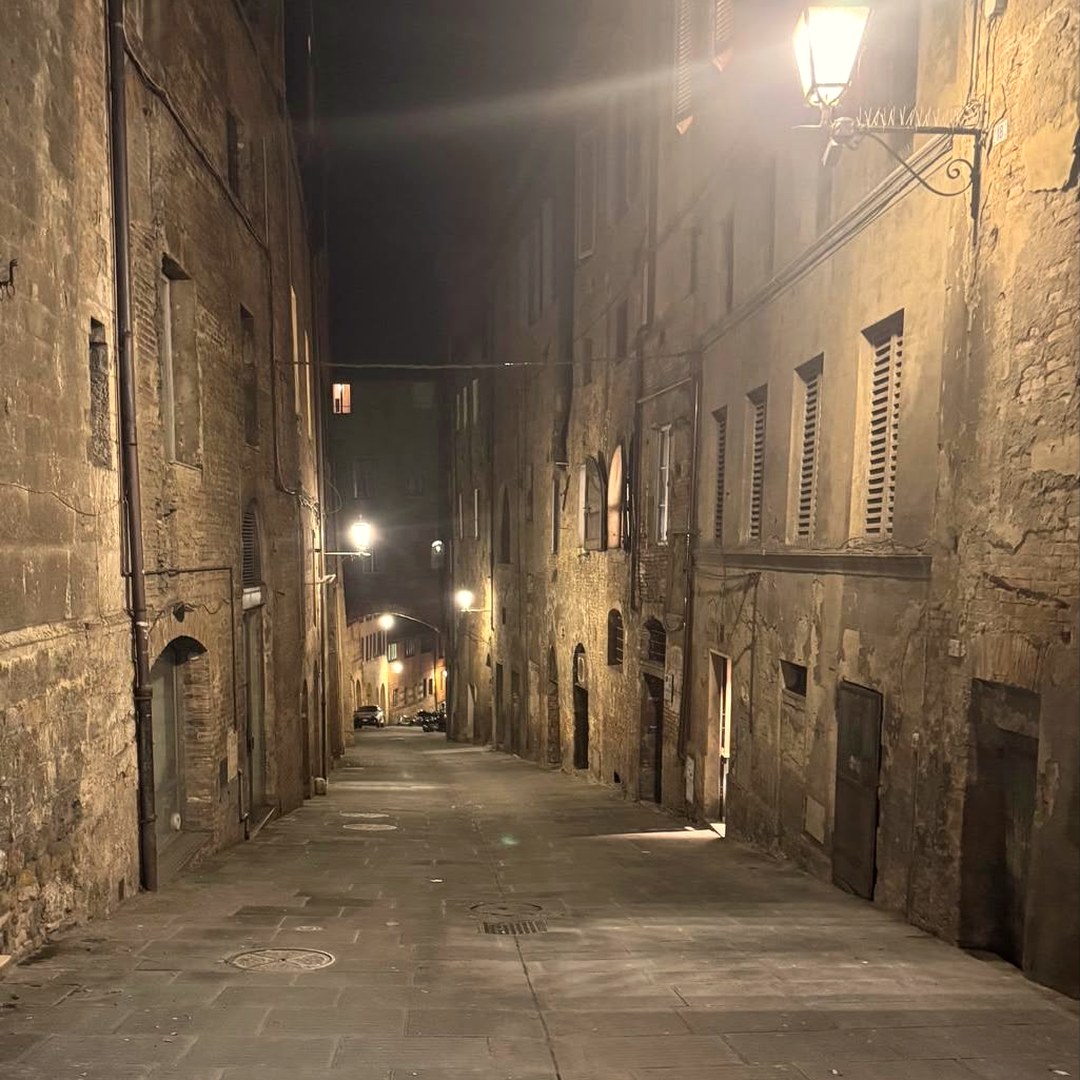
A village you can’t find on any map — and the real Tuscany that made it.
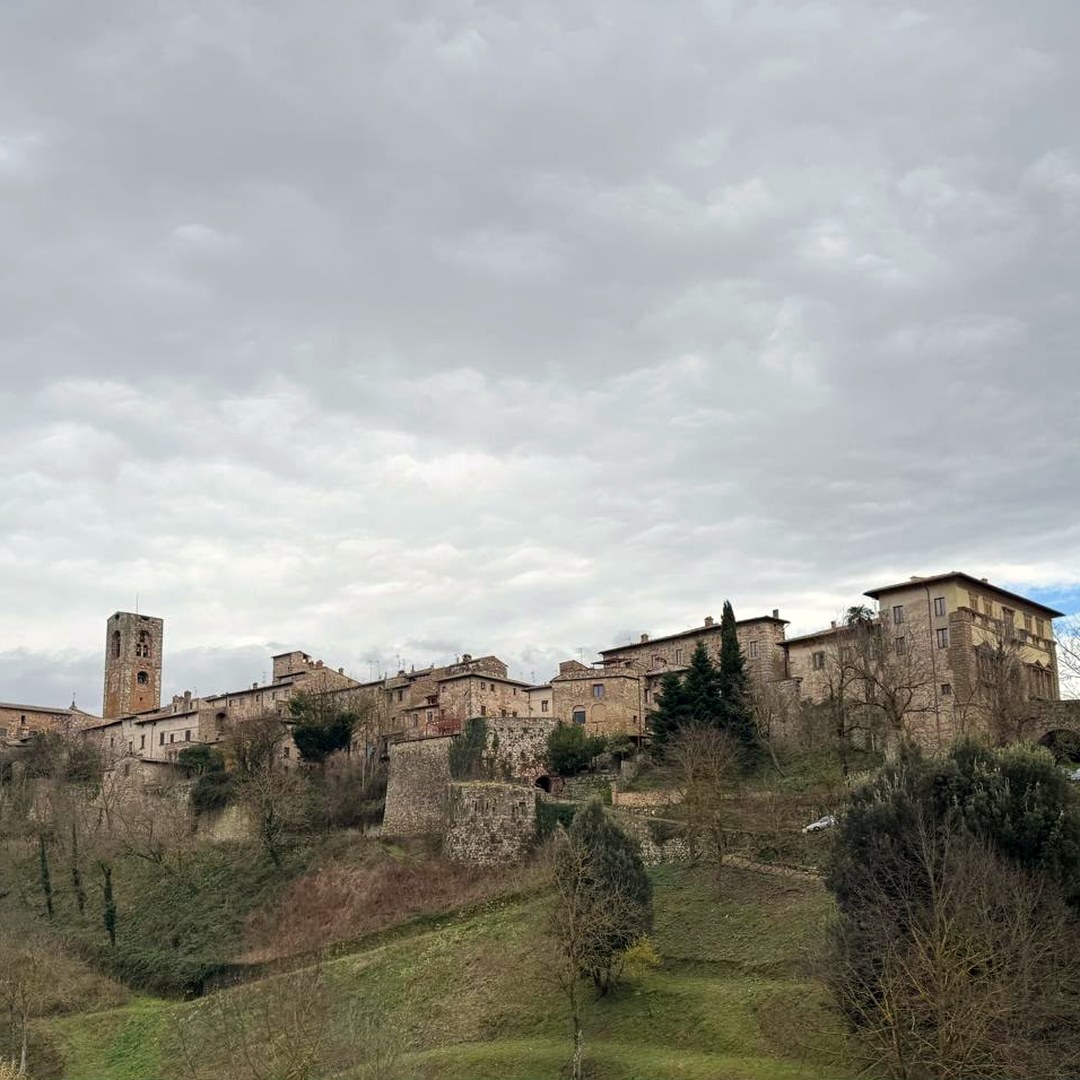
Solara doesn’t exist — and it exists everywhere in the Tuscan hills. It is the kind of small town you reach by a slow train from Florence, where the road gives way to olive groves and vineyards, and where everyone knows your name before you’ve done anything to earn it. When I was building the world of The Parts That Stay, I wanted a place that could hold a whole life: close enough to feel watched, beautiful enough to ache for, small enough that leaving it would cost something. Solara is invented. The light on the hills is not.
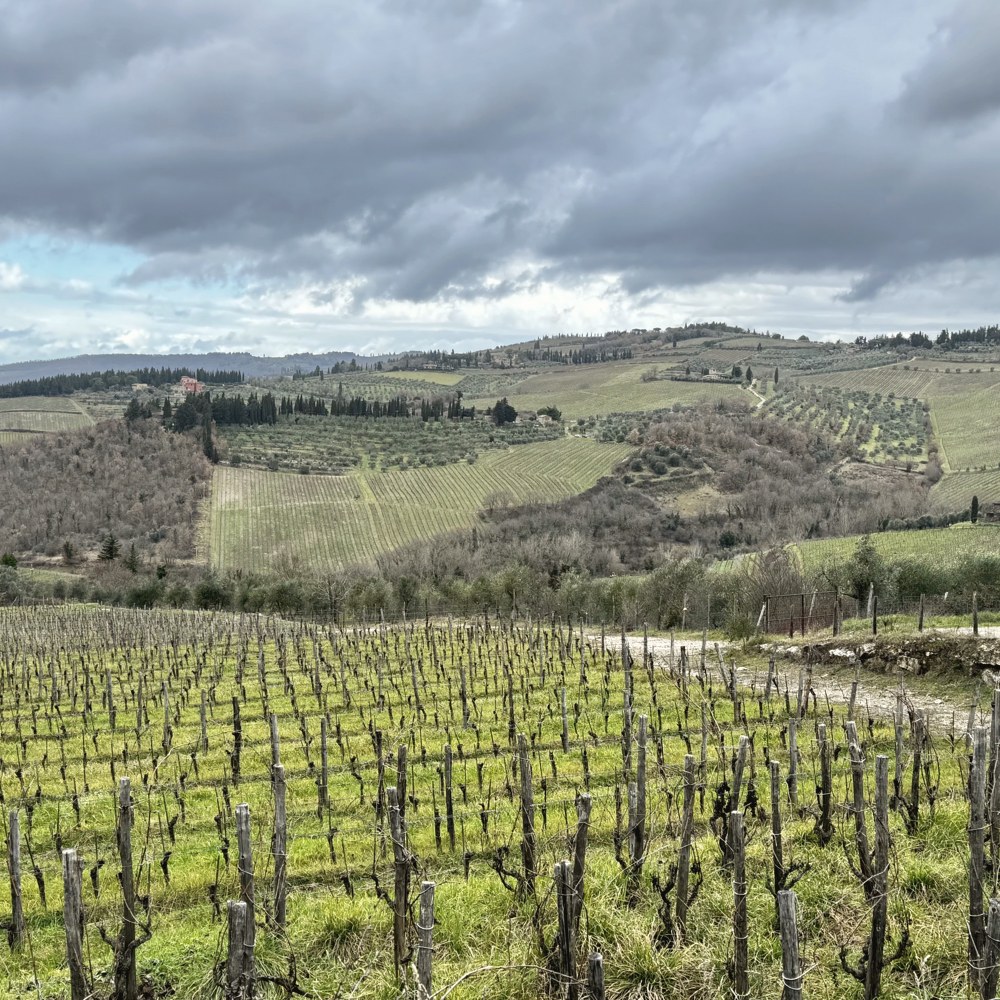
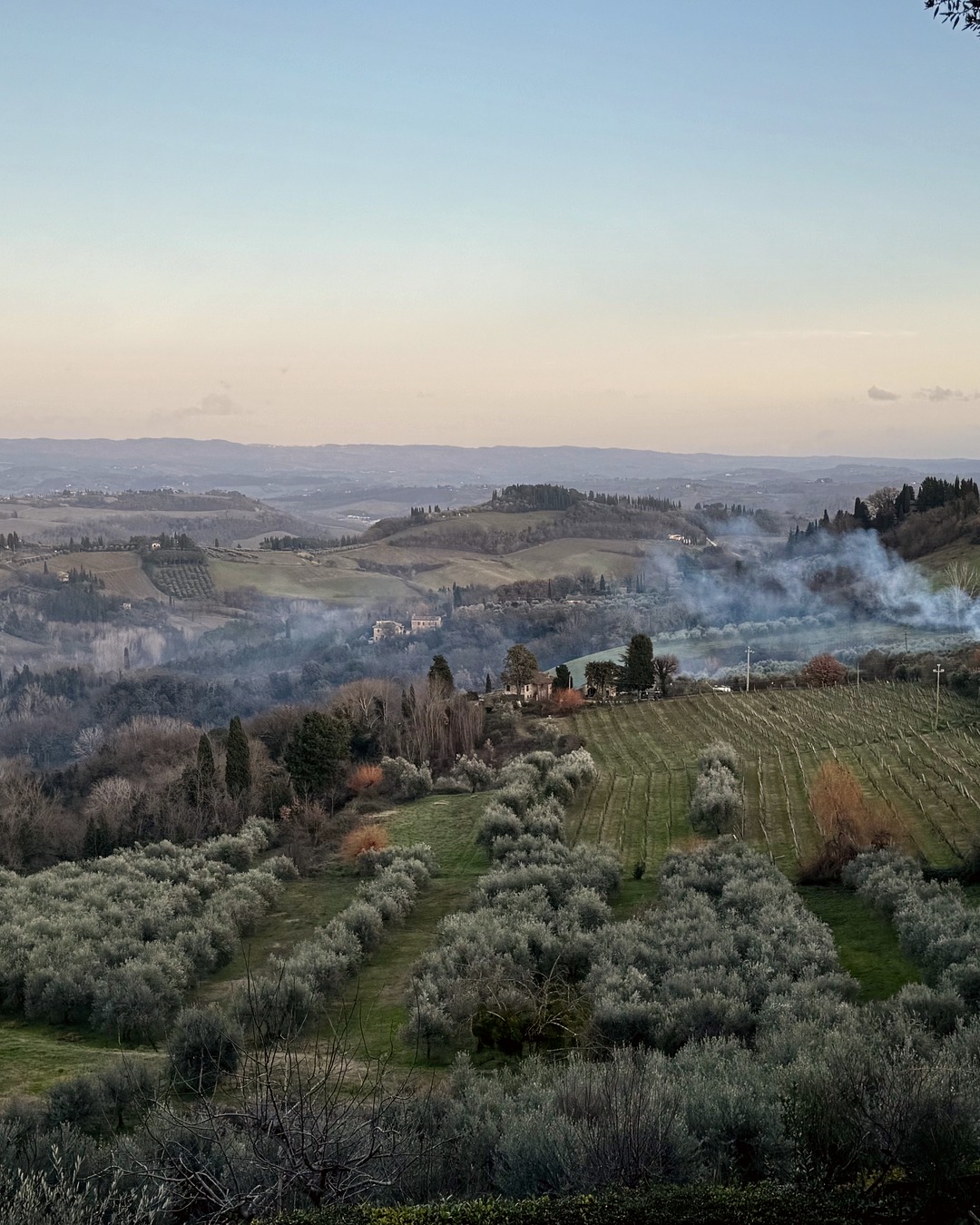
The River Serano runs along the edge of town, lined with willows and reeds, and the Sera Hills rise to the north. Between them lie the vineyards and the silver-green olive groves that set the rhythm of every year — the pruning, the long summer, the autumn harvest when the whole town smells of pressed oil.
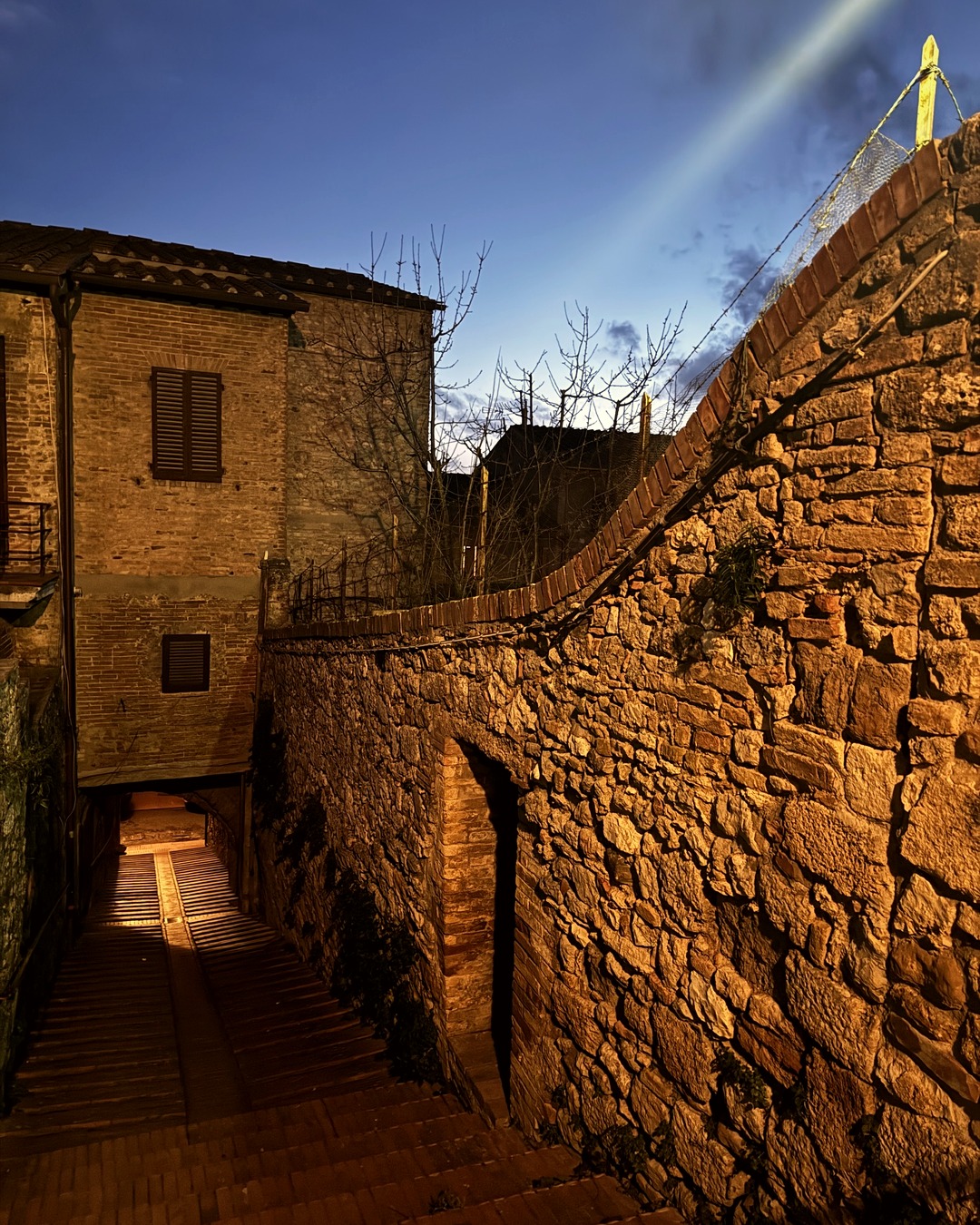
It is a landscape that keeps its own time. A house here isn’t a place you own so much as a place that holds you — the shutters gone pale at the edges, a brass knocker in the shape of an olive branch, a worn tile at the threshold that still says Benvenuti to everyone who steps across it.
If you spent a day here, this is where the hours would take you.
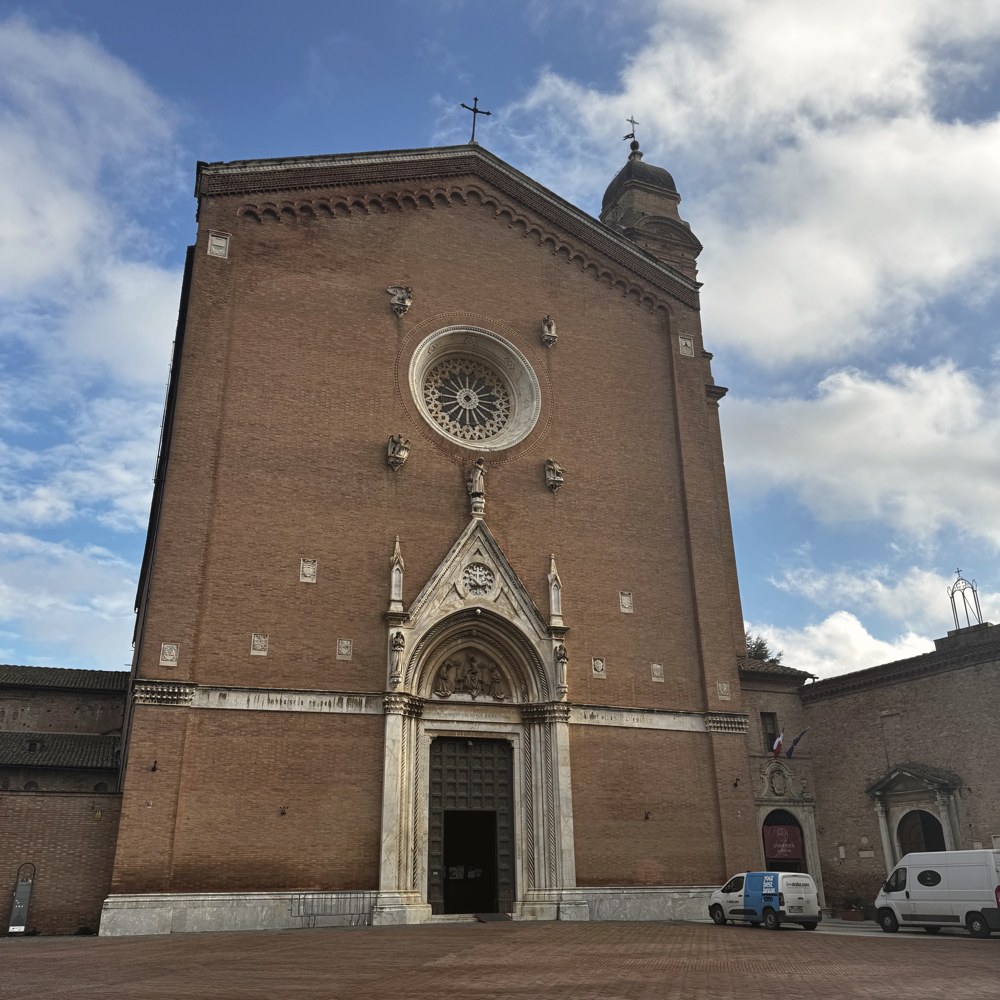
The sun-struck square at the heart of town, and the church of Santa Maria della Luce beside it. Boys play calcio here until the light goes; everyone else comes to be seen and to see.
Rows of old trees on the slope above the road — the kind a family measures its years by, one harvest at a time.
The Moretti family’s winery, where the vintages and the gossip are poured with equal generosity.
Down by the water, where the Serano once turned the wheel — now a quiet place to stand and watch the current carry things away.
Willows, reeds, and slow green water. In spring it becomes the stage for the town’s one great night of the year.
The northern rise that closes the valley in — the horizon a Solara child grows up believing is the edge of the world.
Each spring, Solara floats paper lanterns down the Serano — hundreds of small flames carried on the current, a whole town’s wishes and griefs set on the water and let go. The lantern legend of La Luminara is the night the town remembers what it has lost and blesses what it still holds. It is the sort of ritual that teaches a child, before she has words for it, that some things you keep by releasing them.

Giulia spends her life as a translator, carrying meaning from one language into another and choosing, every day, what to keep and what to leave behind. The novel grew out of a simple, stubborn truth I kept running into: some words won’t translate. You can only escort them across — and let them keep their coat on.
An Italian word for the tight knot in the chest — the lump of held-back tears, of longing, of a grief that has nowhere to go. English has no single word for it. That gap, between what one language can hold and what another must leave behind, is the whole ache of The Parts That Stay.
“Some words you do not translate. You escort them across, and you let them keep their coat on.”

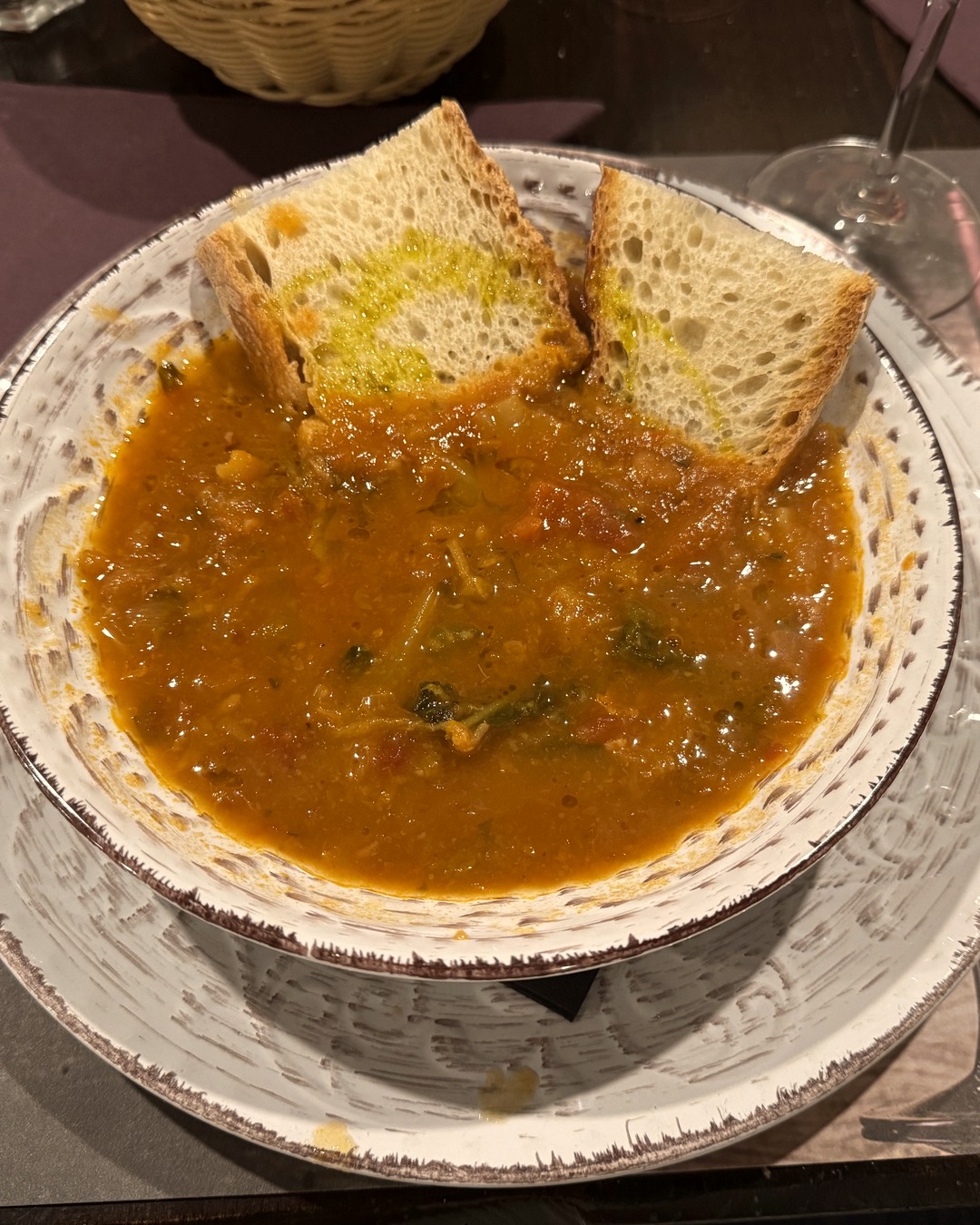
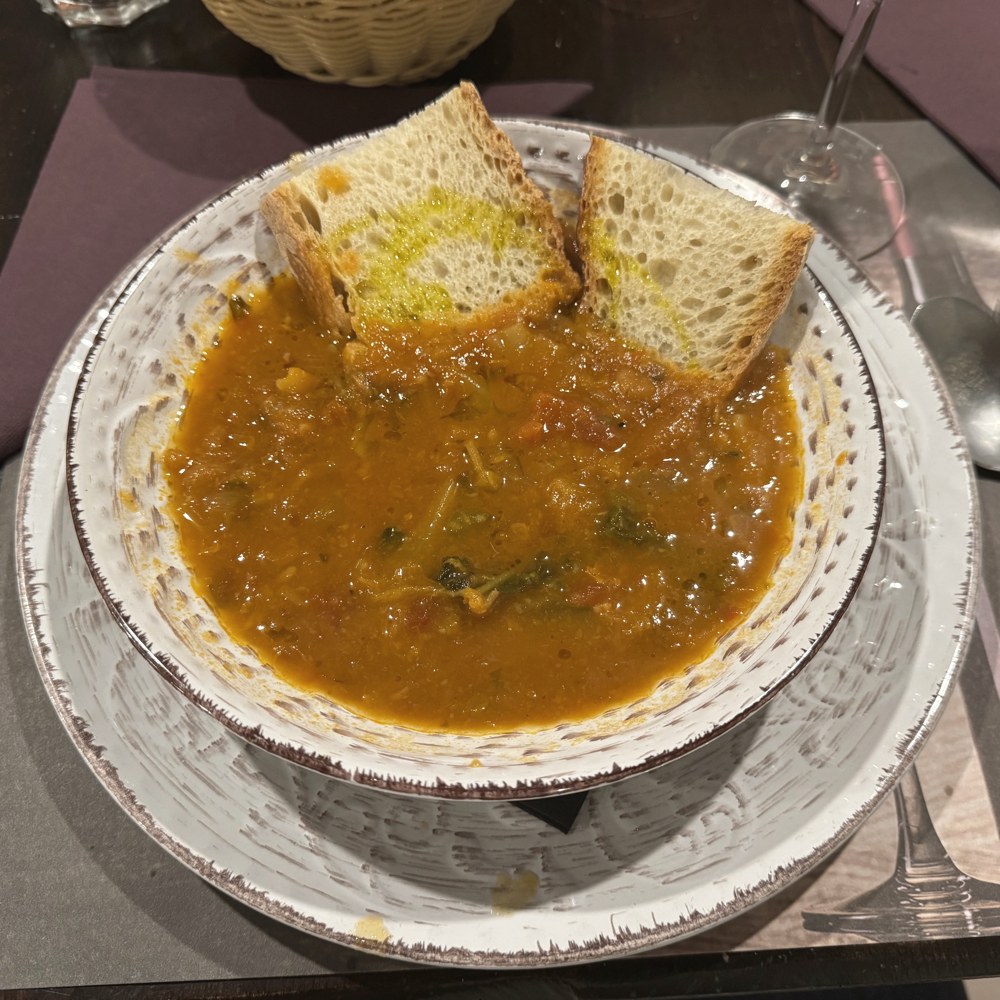
So much of Solara life happens over food — a pot of ribollita stretched to feed whoever arrives, bread on the table, the door left open to the heat of the stove. In a town like this, care is rarely spoken aloud. It is set down in front of you, still warm, and you are expected to understand.
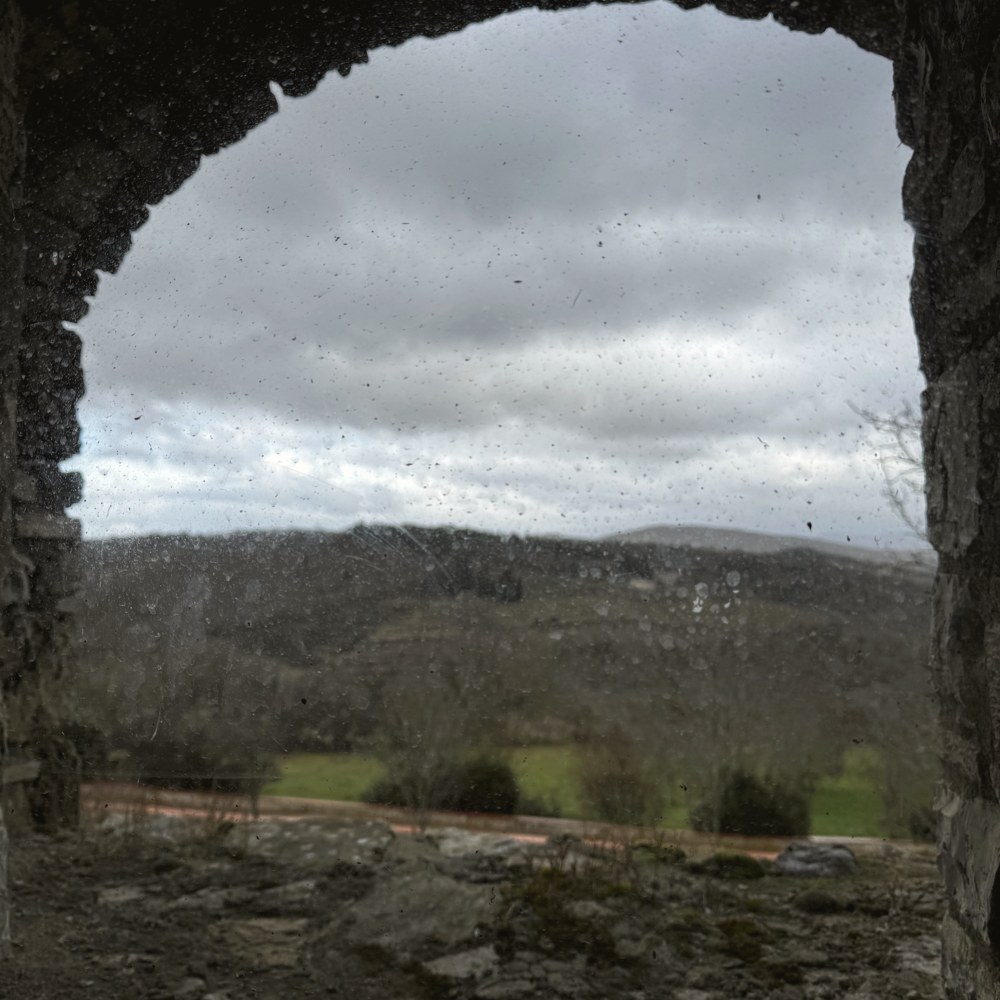
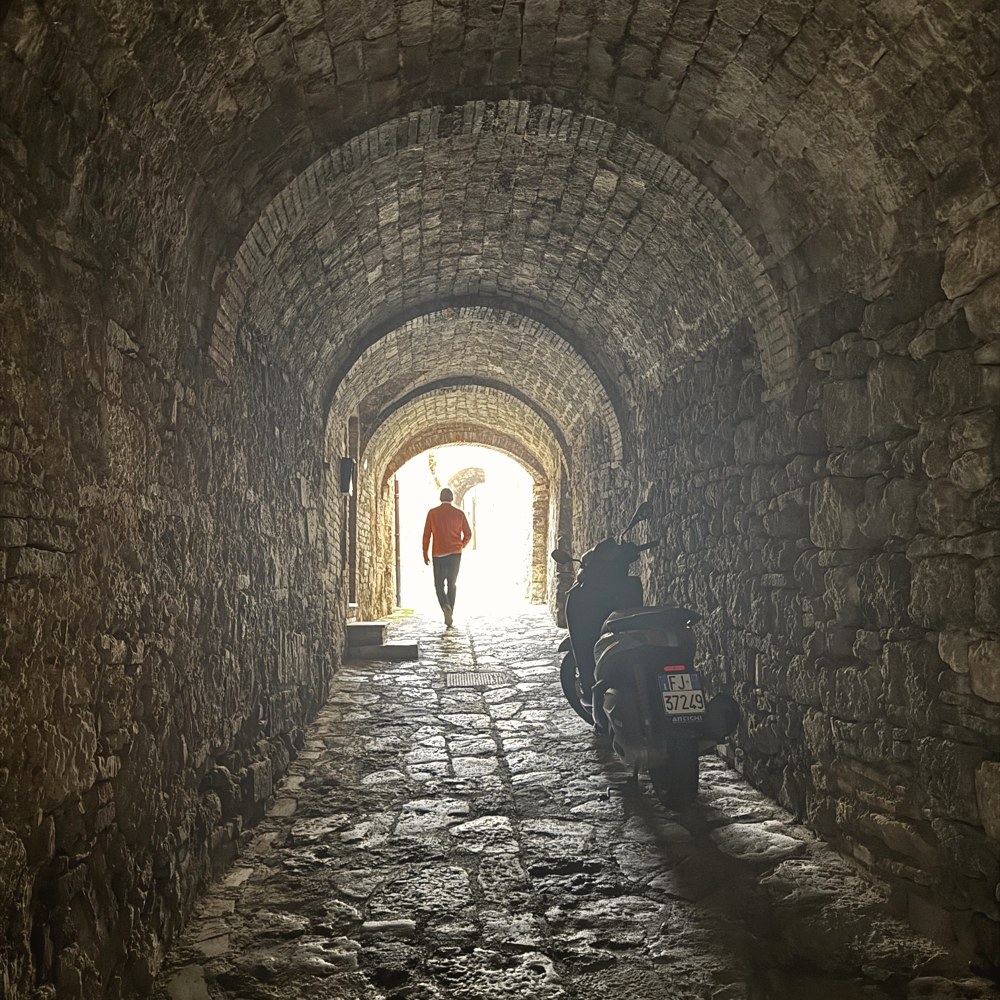
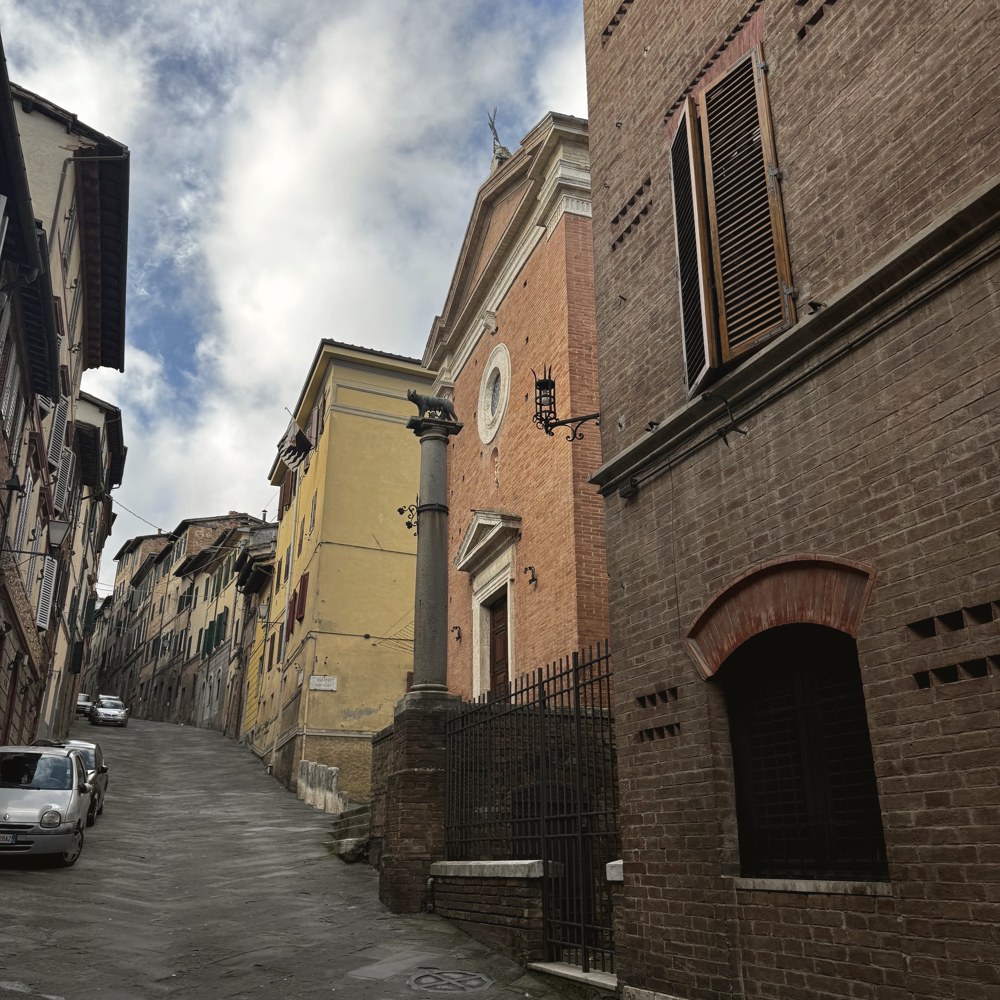
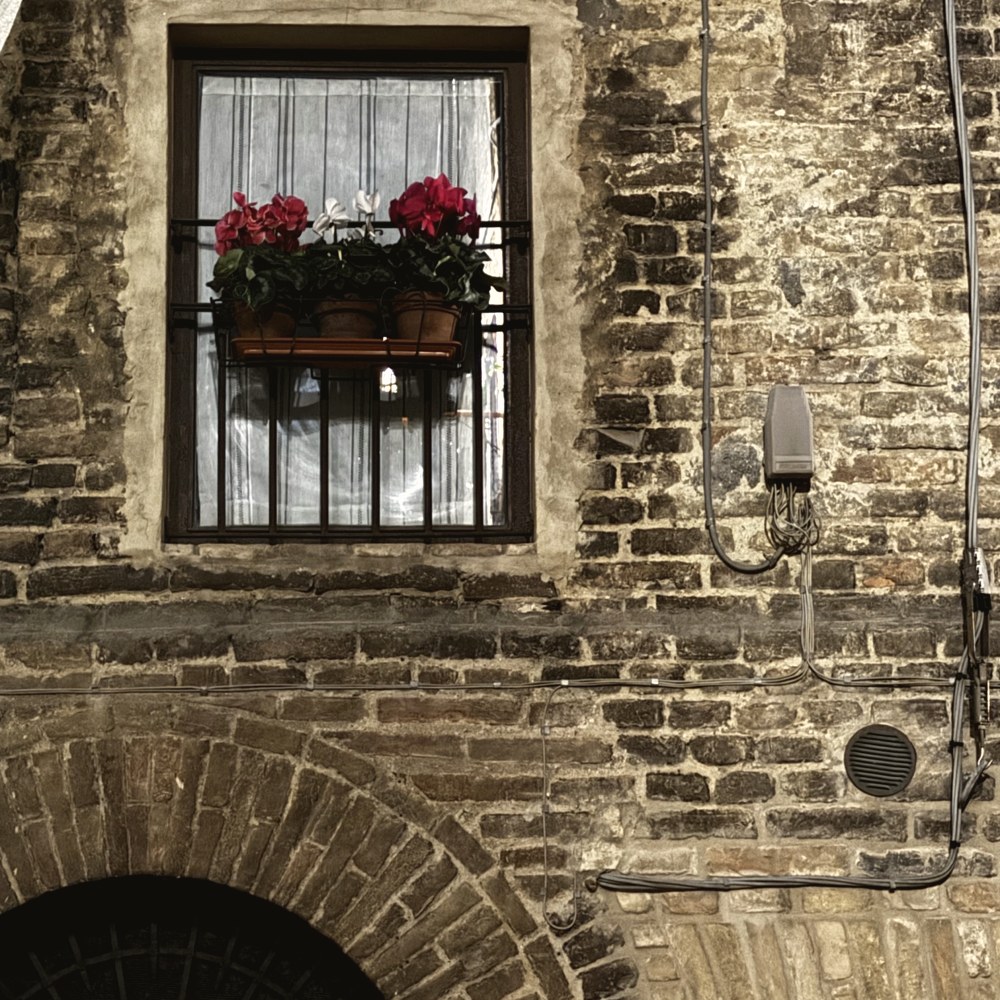
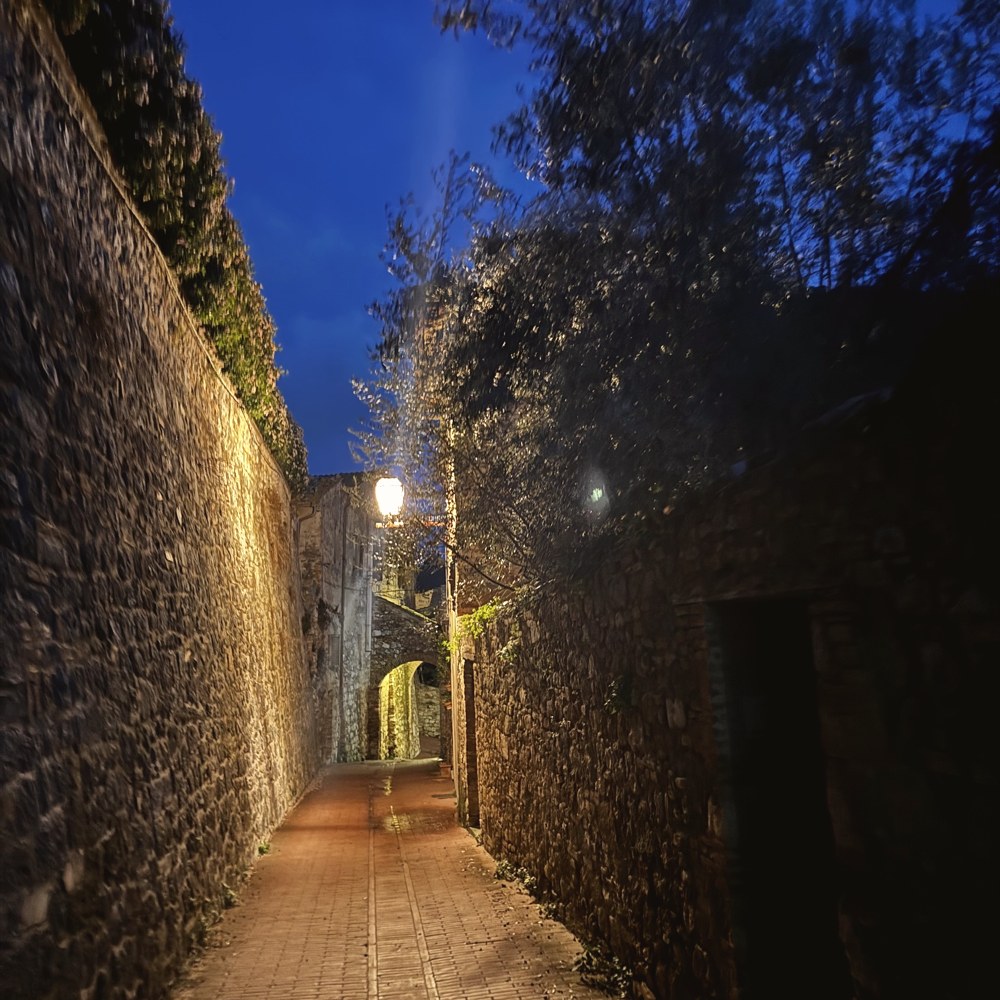
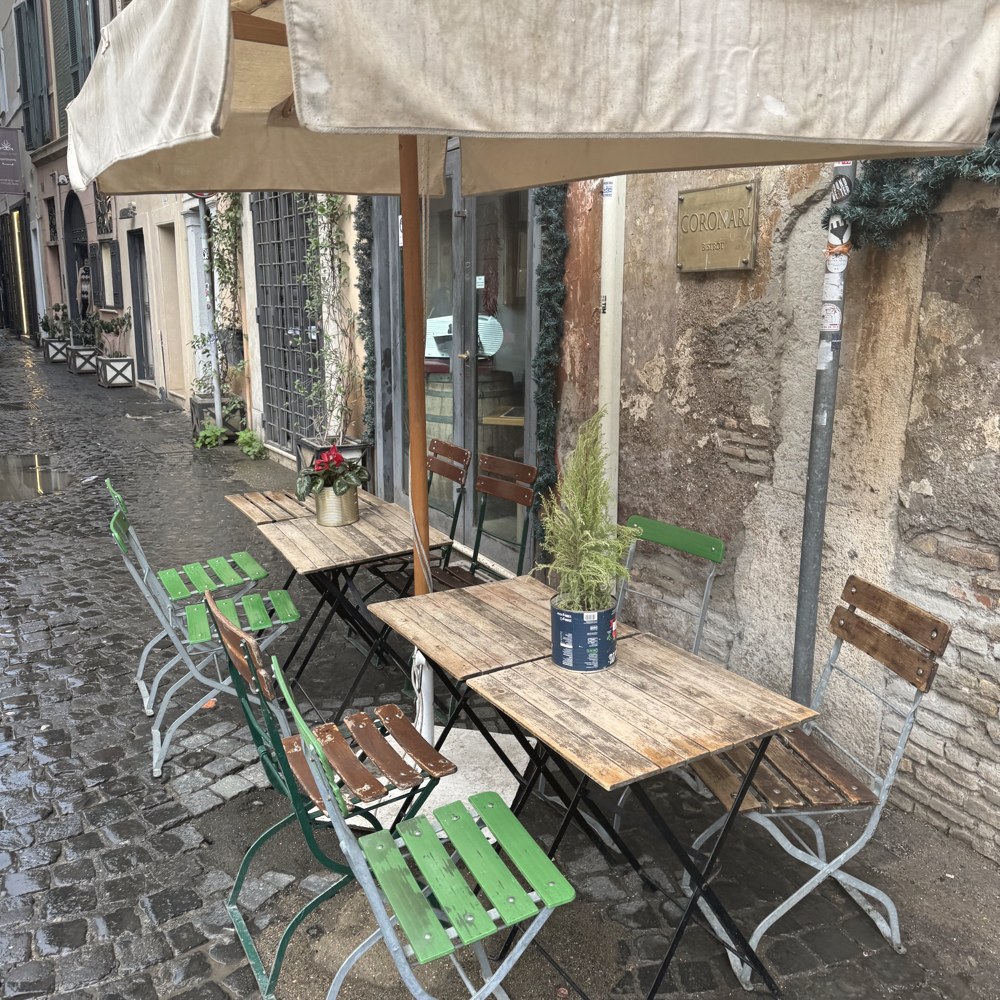
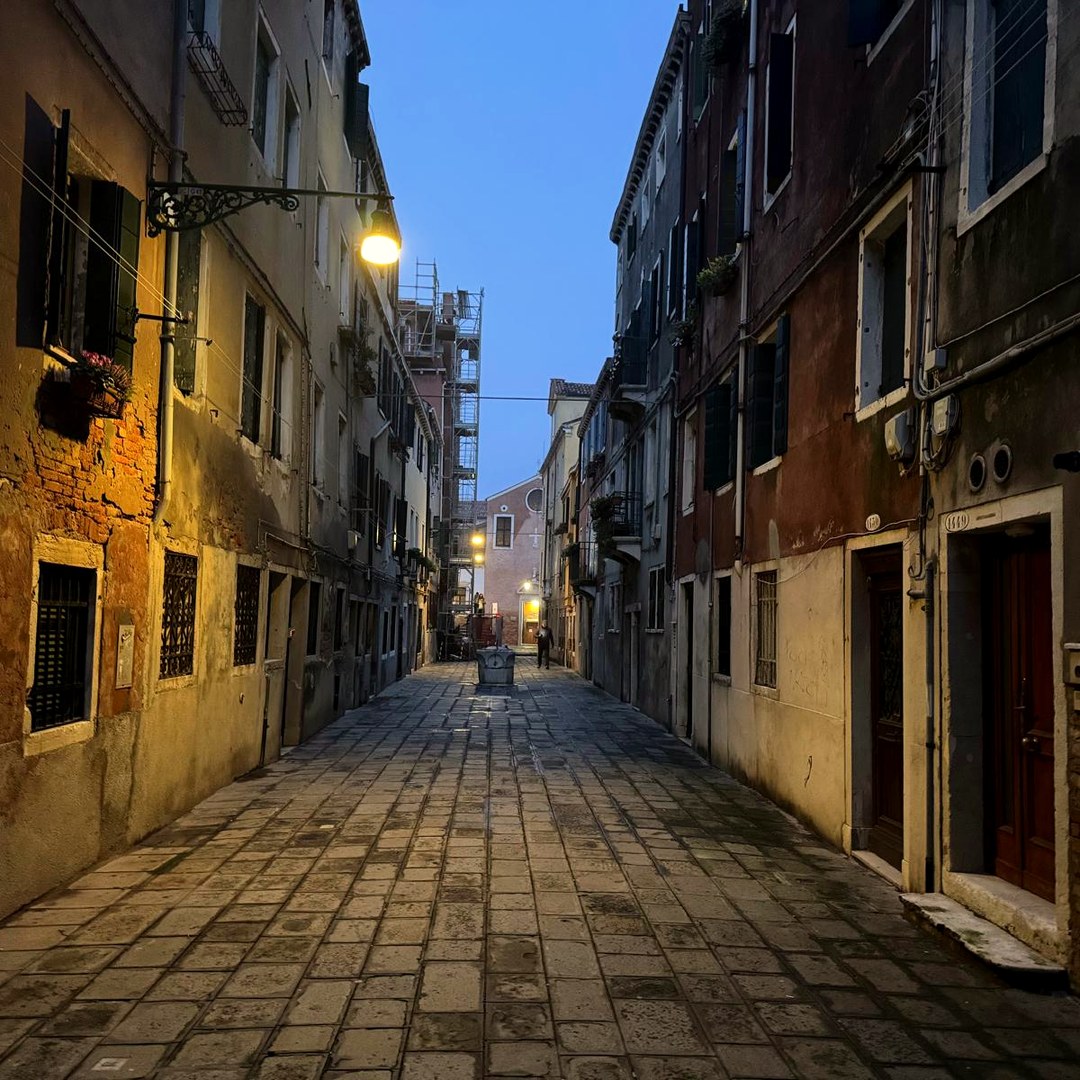
Every photograph here is my own — the real hills, stones, and tables that became Solara.
Meet Giulia in the Tuscan hills — the first chapter of The Parts That Stay is yours, free.